How to Choose the Right Gardening Tools for Your Yard
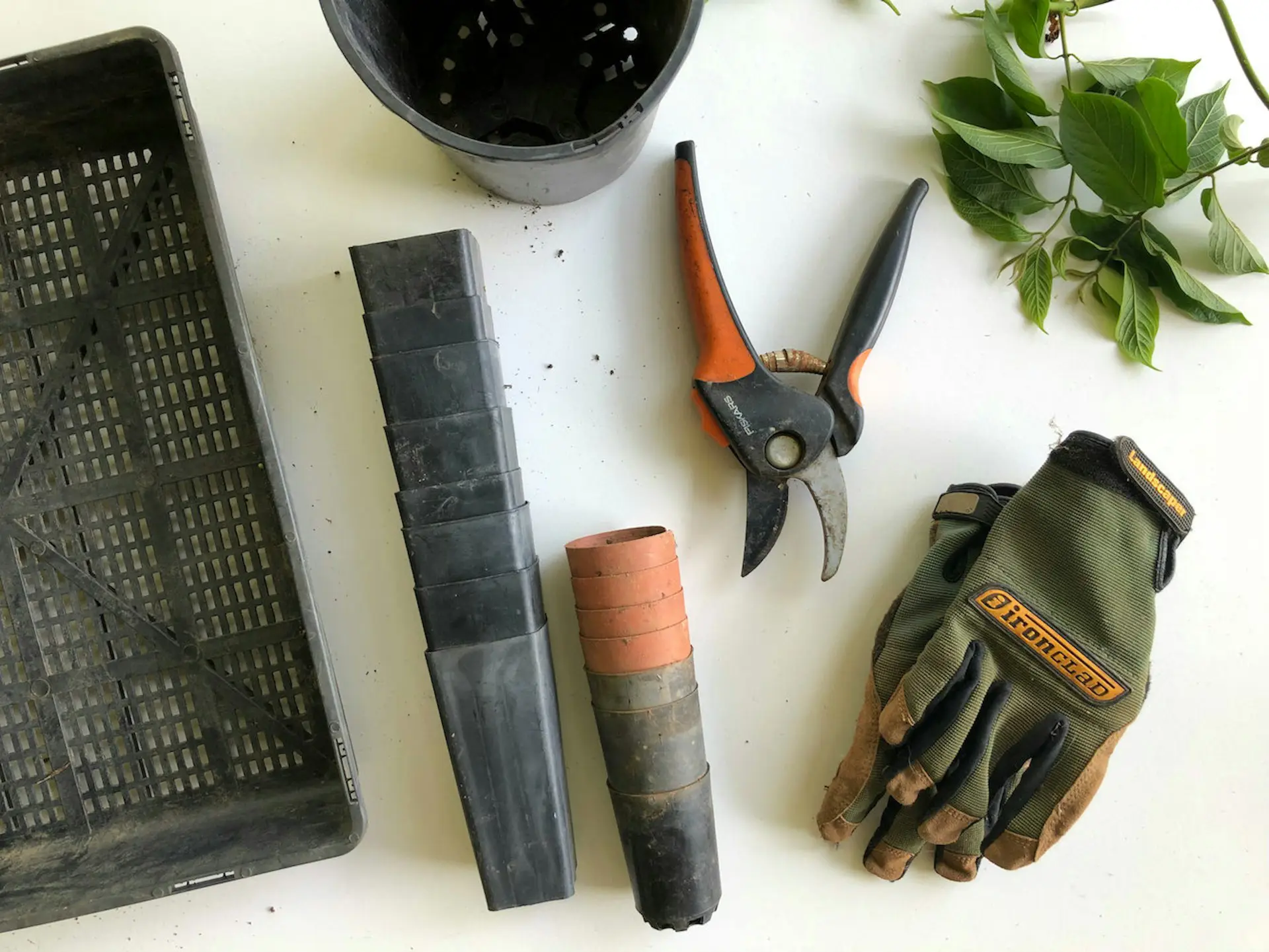
A garden center can make every tool look useful. Once you get home, though, the important question is whether it suits the work you actually need to do.
My advice is to begin with your regular tasks and choose tools around them. A yard with shrubs and fallen leaves needs a different setup from a patio filled with pots. Comfortable handling, sound construction, and straightforward maintenance matter more than owning a large collection.
This guide draws on university extension resources to help you compare tool types and make a practical buying decision. It offers recommendations by task rather than rankings of individually tested products.
Start With the Work Your Yard Needs
The right gardening tool should match the task, suit the working space, and feel manageable in your hands. Before shopping, walk around your yard and consider what you will be doing regularly.
You might need to plant seedlings, remove weeds, collect leaves, or trim small branches. Separate those recurring jobs from occasional projects, such as moving a large quantity of mulch or preparing a new bed.
Advice on choosing garden tools for different spaces highlights why there is no single essential toolkit for everyone. The plants, growing areas, and maintenance involved should guide your choices. The Real Dirt
For a first purchase, I would prioritize a tool that solves a recurring problem. You can add more as your garden and your understanding of its needs develop.
Match the Tool to the Task
Planting in Pots and Small Spaces
A hand trowel is useful for planting small transplants and light digging. Choose a blade that fits comfortably between your plants or inside the containers you use.
A narrower blade can be easier to position in a confined space, while a broader scoop can help when transferring potting mix. Consider which task you will do more often before choosing the shape.
Look closely at the handle and its connection to the blade. The tool should feel secure when held, and the grip should allow you to work without constantly adjusting your hand.
Digging and Moving Material
For planting holes and larger digging tasks, a round-point shovel may be useful. A flat shovel is generally better suited to moving loose material, while a narrow garden spade can help with transplanting and working in a smaller area.
The distinctions between shovels, spades, and other hand tools come down to blade shape, size, and intended use. Product names can vary, so inspect the tool and read its description. CAES Field Report
Choose a size you can handle with material on the blade. A shovel that feels manageable when empty may be tiring once loaded. A larger blade is worthwhile only when you can use it comfortably for the task.
Collecting Leaves and Preparing Beds
A leaf rake has flexible, widely spread tines for gathering leaves and light debris. A garden rake, often called a bow rake, has a more rigid head for tasks such as smoothing a prepared soil surface.
Think about where you will use it. A broad rake head may suit an open lawn, while a smaller head can be easier to move around closely spaced plants.
If you need a weeding tool, consider the weeds and the available space. A hand weeder can work between plants, while a suitable long-handled hoe may be more practical for maintaining open areas. Avoid choosing a tool that is too wide to use without disturbing nearby plants.
Pruning Stems and Branches
Bypass pruners have blades that pass one another in a scissor-like action. They are generally a useful choice for cutting living stems. Anvil pruners close a blade against a flat surface and are better suited to dead wood, where crushing soft living tissue is less of a concern.
When selecting pruning equipment, match the tool to the material and the situation. Loppers provide more leverage for suitable larger branches, while a pruning saw handles work beyond the comfortable capacity of hand pruners.
Check each manufacturer’s stated cutting capacity. Wood hardness, blade condition, and your ability to operate the tool also affect whether a cut is manageable. Move to a suitable tool rather than forcing small pruners through oversized branches.
Large limbs high in a tree and branches near power lines call for a trained arborist. Buying a longer-reaching tool does not make every tree-pruning job suitable for home use. Yard and Garden
Check How the Tool Fits You
Handle Size and Reach
If possible, hold a display model before buying. Your hand should fit around the grip without an awkward stretch, and controls or locking catches should be easy for you to reach.
For pruners, check how far the handles open. A tool with a large cutting capacity may still be unsuitable if you cannot comfortably close it. Look for left-handed options if the design calls for one.
With longer tools, consider how the handle length works with your height, reach, and working position. Short handles can suit confined spaces, while longer handles can help with tasks carried out from a standing position.
Weight and Balance
Consider where the weight sits as well as the total weight. A tool with a heavy head can feel different from another model of similar weight with a different balance.
Ask yourself whether you could comfortably lift, guide, and carry it repeatedly. Include the expected load when considering watering cans, carts, and shovels.
I would treat comfortable handling as a requirement, particularly for tools used often. Extra capacity has limited value when the tool is difficult for you to control.
Adaptive Features
Padded grips, upright handles, lighter tools, and handle extensions may suit different needs. Guidance on accessible gardening tools and equipment explains several options for adapting everyday gardening tasks. OSU Extension Service
An “ergonomic” label is a starting point for comparison. Check the actual shape and handling rather than assuming the label guarantees a good fit.
Inspect Construction and Maintenance Requirements
Examine the connection between the handle and the working head. Look for secure fittings, visible damage, or movement that should not be there. Check wooden handles for cracks and splinters, and inspect cutting tools for damaged or misaligned blades.
For tools you expect to use regularly, find out whether parts can be replaced. A replacement blade, spring, or handle may make continued use practical, but check that the parts are available for the exact model.
Read the maintenance instructions before buying. Consider whether you can clean, sharpen, and store the tool as recommended, or arrange servicing when needed.
A higher price alone does not establish that a tool will suit your yard. Compare its construction, handling, warranty terms, and repair options with the work you expect it to perform.
Think About Watering and Moving Supplies
For a small container garden, a watering can may provide enough reach. Choose one you can carry when filled, with a spout or rose that delivers water appropriately for your plants.
For beds farther from the tap, consider the hose route. Check the distance, connection compatibility, storage space, and the effort involved in moving the hose.
If you regularly move compost or mulch, a cart or wheelbarrow may be useful. Measure gates and narrow paths before choosing its width. Consider the ground it must cross, the load you can manage, and where it will be stored between uses.
These details can matter more than the largest advertised capacity. The equipment needs to work along the routes you actually use.
Decide Whether Powered Equipment Is Worthwhile
Powered tools may suit recurring work such as mowing a lawn or maintaining a formal hedge. Decide around the area, access, frequency of use, and the physical demands of the task.
For battery equipment, compare the working weight with the battery fitted and check whether the charger and battery are included. If you already own equipment from a battery range, verify compatibility with the exact model you are considering.
For corded or fuel-powered equipment, account for the supply, storage, and maintenance requirements described by the manufacturer. Include required protective equipment and servicing in the overall cost.
Before buying for an occasional project, look into borrowing or renting appropriate equipment. Local availability varies. Programs such as Oregon State University Extension’s garden tool borrowing services show one way communities provide access to equipment without requiring every gardener to own it. OSU Extension Service
Build a Small Toolkit Around Your Yard
For a patio garden, a comfortable trowel, a suitable watering can, and a cutting tool matched to your plants may cover the immediate work. Add gloves appropriate to the materials you handle and a place to store everything.
For a mixed yard with beds and shrubs, you may also need a digging tool and the appropriate rake. Add loppers, a cart, or other equipment when a recurring task justifies them.
If your yard includes a lawn, treat mower selection as a separate decision based on the area and conditions. There is little benefit in buying a large bundle of unrelated hand tools to solve one mowing requirement.
Buying individually makes it easier to compare fit and usefulness. A set can still make sense when its contents match your needs and each tool is suitable for you.
Choose Tools You Can Care For
Think about maintenance as part of the purchase. Remove soil and plant debris after use, dry tools before storing them, and follow the manufacturer’s instructions for blades, moving parts, and handles.
Properly cleaning and disinfecting garden tools can help limit the movement of plant diseases. Clean away visible debris before disinfecting, and choose a method appropriate to the tool and the plant-disease situation. UMN Extension
Keep cutting edges protected and store tools securely where you can reach them without blocking a path. A collection that fits your storage space is easier to organize and maintain.
Frequently Asked Questions
What Gardening Tools Should a Beginner Buy First?
Start with the tasks you will do immediately. A hand trowel, a suitable watering tool, and gloves may be enough for planting a few containers. Add pruning, digging, or raking tools when the plants and space require them.
Are Expensive Gardening Tools Always Better?
No. Price is one part of the decision. Compare the tool’s fit, construction, intended use, maintenance needs, and available replacement parts. A costly tool that is uncomfortable or unnecessary offers little value for your yard.
Is It Worth Buying Secondhand Tools?
It can be, provided the tool is in suitable condition. Inspect the handle, fittings, blade or tines, and any moving parts. Consider the cost of repairs or missing components before deciding, and clean the tool before introducing it to your garden.
Do You Need Both Pruners and Loppers?
Only if your pruning tasks call for both. Hand pruners suit smaller material within their capacity, while loppers provide more leverage for suitable larger branches. Inspect what you need to cut and check the specifications of the tools you are considering.
Buy for the Work You Will Actually Do
Before your next purchase, identify the task and the conditions in which you will use the tool. Compare a few options for fit, build, maintenance, and cost, then choose the one that meets those needs.
A useful gardening toolkit grows with your yard. Start with equipment you can handle comfortably, look after it, and add another tool when you can explain the job it needs to do.