How to Start Homesteading When You’re a Complete Beginner
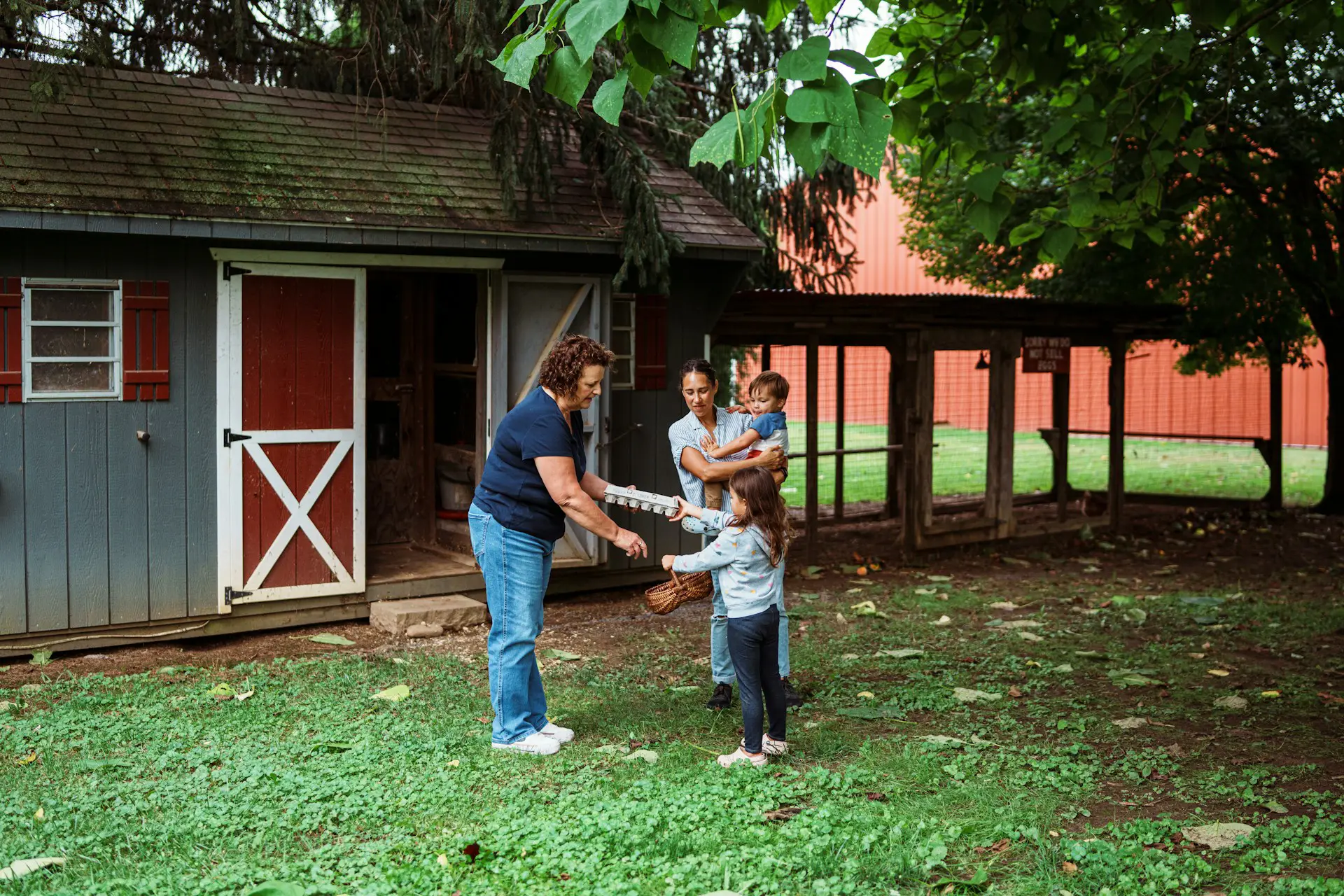
Learning how to start homesteading can feel overwhelming when every example seems to involve a large garden, chickens, and shelves full of home-canned food. You may like the idea of becoming more self-sufficient without knowing which part to try first.
You can begin with one useful skill where you live now. Growing a few herbs, learning to cook a meal from basic ingredients, or preserving food for later can all be starting points.
My advice is to choose one project that meets a real household need and fits your weekly routine. This guide draws on university extension, food preservation, and environmental resources to help you make that choice and build from it.
What Does Homesteading Mean Today?
Modern homesteading generally means taking a more active role in meeting your household’s needs. That might involve growing food, cooking, preserving a harvest, composting, repairing everyday items, or caring for animals.
The balance looks different in every home. Someone in an apartment might focus on kitchen skills and a few container plants. Someone with a yard might add a vegetable bed. A larger property creates more possibilities, along with more maintenance.
You do not need to produce everything you use. A practical goal is to become more capable in a few areas that matter to you, while continuing to buy the things you cannot reasonably make or grow.
Start With a Goal You Can Describe Clearly
Before buying supplies, decide what you want homesteading to do for your household.
Perhaps you want fresh herbs for cooking, fewer unused vegetables in the refrigerator, or the ability to mend clothes instead of replacing them. Each goal points toward a different first project.
“I want to grow the herbs I use every week” is easier to act on than “I want to become self-sufficient.” You can work out the space, supplies, and care involved in a small herb garden. A broad lifestyle goal needs several smaller decisions before it becomes useful.
Choose something you expect to use. If nobody in your household enjoys a particular vegetable, growing it because it appears in every beginner garden plan gives you another problem to solve at harvest time.
Look at Your Space, Time, and Restrictions
Take a close look at what you already have available. Consider your outdoor space, direct sunlight, water access, storage, and the room you can use for cooking or other projects.
For a garden, observe the proposed growing area at different times of day. A bright-looking patio may receive less direct sun than you expect. The University of Maryland Extension’s advice on starting a vegetable garden emphasizes a small beginning, suitable sunlight, and convenient access to water.
Check any rules that affect your plans before installing permanent beds, building structures, or bringing home animals. Depending on your situation, that may mean speaking with your landlord, homeowners association, or local authorities.
Then consider a normal busy week. Decide who will handle routine work, how much time is available, and what happens when you travel. Plan around the energy and help you usually have.
Choose One First Project
A good beginner project has a clear purpose, a manageable size, and care requirements you understand.
You might grow one herb you regularly buy, learn a dependable bread recipe, or repair a simple item of clothing. Choose the project that interests you enough to repeat it.
Keep your first attempt small enough that a mistake remains affordable. One container gives you a chance to learn about watering and plant growth before you fill an entire patio. One familiar meal lets you practice a cooking skill without changing your whole food routine.
I would keep other ideas in a notebook until the first project has become manageable. You can still enjoy planning a future garden or orchard without committing to all of it this season.
Start Growing Food on a Small Scale
If growing food is your main interest, begin with one container or a modest garden bed and a small number of crops.
Select plants for your climate, season, available light, and eating habits. Ask a local nursery or extension service which varieties suit your area and whether seeds or transplants make more sense for your first attempt.
For a patio or balcony, the University of Maryland Extension’s guidance on growing vegetables in containers explains the importance of drainage, suitable potting mix, and enough space for the plant’s mature roots. Match the container to the plant rather than choosing a small pot solely because it is convenient.
Make watering part of your routine. Container moisture changes with the weather, plant size, and growing medium, so check the mix instead of assuming the same watering schedule will work all season.
Use your first growing season to learn. Record planting dates, problems, and what you actually harvest and eat. Those observations will help you decide what deserves more space next time.
Build Useful Kitchen Skills
You can begin homesteading in the kitchen even when planting is not practical.
Choose a meal or basic food you already enjoy and learn to prepare it reliably. That might mean making soup, baking bread, or cooking dried beans using a dependable recipe. Practice until you understand the process and can fit it into your week.
Also look at how food moves through your home. The EPA’s guidance on preventing food waste at home recommends checking existing supplies and planning purchases around what you will actually use. US EPA
For a beginner, that creates a useful connection between buying, cooking, and eventually growing food. Knowing how much your household eats helps you plan a garden or preservation project with a clear purpose.
Learn Food Preservation From Tested Instructions
Food preservation can help you use seasonal produce, but each method has its own requirements.
If you already have suitable freezer space, freezing may be a manageable first project. Follow the National Center for Home Food Preservation’s food-specific freezing instructions for preparation and packaging. Many vegetables need blanching before freezing, with the method and timing depending on the vegetable. National Center for Home Food Preservation
Home canning requires particular care. Use a research-tested recipe and follow its preparation, jar size, processing method, and elevation adjustments. The center’s guidance on ensuring safe home-canned food explains why acidity determines the appropriate processing method. Low-acid foods require pressure canning under tested instructions.
Read the complete instructions before buying equipment or preparing ingredients. A family recipe or short video may be useful inspiration, but shelf-stable canning needs a tested process you can follow accurately.
Consider Composting When It Fits Your Routine
Composting can be a useful next project when you have an appropriate place to manage it and a use for the finished material.
The EPA’s guide to composting at home explains how food scraps and yard materials break down with the right balance of air, moisture, and ingredients. An ordinary backyard pile can use vegetable scraps and dry leaves, while meat, dairy, grease, and pet waste should stay out. US EPA
Think about the whole routine before buying a bin. You will need to collect suitable materials, take them outside, and manage the compost. If that does not fit your current space, you can check whether a local food-scrap collection program is available.
There is no need to add composting at the same time as your first garden. Give each new habit room to settle.
Treat Animal Keeping as a Separate Commitment
Chickens and other livestock are optional parts of homesteading. Before getting animals, make a care plan and a realistic budget.
Consider suitable housing, protection from predators, feed, clean water, bedding, cleaning, and access to veterinary advice. You also need someone capable of caring for the animals when you are away.
The University of Minnesota Extension’s guidance on raising egg-laying chickens shows how much preparation goes into housing, nutrition, and healthy flock management. Check local requirements and seek local animal-health guidance before making a purchase. UMN Extension
Include ongoing expenses when deciding whether a flock suits your goals. Home-produced eggs still involve feed, housing, supplies, and daily work. If your schedule is already stretched, a small garden or kitchen project may be a more manageable beginning.
Buy Supplies for the Project You Have Chosen
Start by checking what you already own. Then identify what is essential to complete your first project safely and effectively.
A container garden may need a suitable pot, growing mix, plants, and a way to water them. It does not automatically call for a greenhouse, a full tool collection, or irrigation equipment.
Set a spending limit that leaves room for recurring supplies and replacements. For each new purchase, consider how often you expect to use it, where you will keep it, and whether it solves a current problem.
Track actual spending alongside the results. A project may offer enjoyment and useful skills even when it does not reduce your household costs. Keeping records helps you decide whether to continue, change the approach, or spend less next time.
A Realistic First-Month Plan
Your first month can focus entirely on learning one project. A container herb garden offers a simple example, provided the season and growing conditions are suitable.
During the first week, choose an herb you use, observe your available sunlight, and read its growing requirements. Work out where it will go and how you will water it.
During the second week, gather the necessary supplies and plant according to reliable local guidance. Write down the planting date and keep any useful care instructions.
During the third week, maintain the same project. Check moisture, watch for changes, and ask for help if you notice a problem you cannot identify. Avoid adding more plants simply because the initial setup is finished.
During the fourth week, review the routine. Consider whether the location works, whether care fits your schedule, and whether you would choose the same project again. A harvest may come later; the first month’s aim is to establish a routine and understand the work.
You can adapt this pattern to another skill: learn, prepare, practice, and review before expanding.
Keep Learning From People in Your Area
Local advice can help you apply general guidance to your own conditions.
For gardening, look for a university extension service, community garden, or experienced local grower. For preservation, choose classes taught by qualified food preservation educators. For animals, find appropriate veterinary and extension support.
Ask specific questions. A photograph of a struggling plant, its planting date, and details about watering give someone more to work with than a general request for gardening tips.
Record the answers that help. Over time, your notes become a practical reference for your home, climate, schedule, and preferences.
Common Questions About Starting Homesteading
Can You Start Homesteading Without Land?
Yes. Cooking, food preservation, mending, and some container gardening projects can fit a home without acreage. Choose activities that suit your available space and any rental or property rules.
Can You Homestead With a Full-Time Job?
You can build selected homesteading skills around a full-time job. Start with a project whose routine fits your working week, and allow for busier periods. Animal care and larger growing spaces require a different level of commitment.
How Much Money Do You Need to Begin?
The amount depends on the project and what you already own. Price the essential supplies and ongoing costs for one specific activity. That gives you a more useful starting budget than a general estimate for an entire homestead.
When Should You Add Another Project?
Consider expanding when you understand the current project’s routine, can manage its busy periods, and have time and money for the next commitment. Repeating a small project successfully can teach you more than constantly starting new ones.
Start With Something Useful This Week
Choose one household need you would like to meet more independently. Look up a reliable method, check the space and supplies it requires, and decide when you can give it attention.
Homesteading can develop through those ordinary decisions. A useful skill practiced regularly gives you a foundation for deciding what comes next.
Research note: This guide draws on the university extension, food preservation, and environmental resources linked throughout. Project examples are suggestions for getting started; planting choices and animal care plans need to suit local conditions.
Keep exploring
More from Rustic Grail
What Is Homesteading? A Beginner’s Guide to Self-Sufficient Living
Homesteading often begins with an ordinary task: growing an ingredient you use every week or learning how to mend a piece of clothing. Over…