What Is Homesteading? A Beginner’s Guide to Self-Sufficient Living
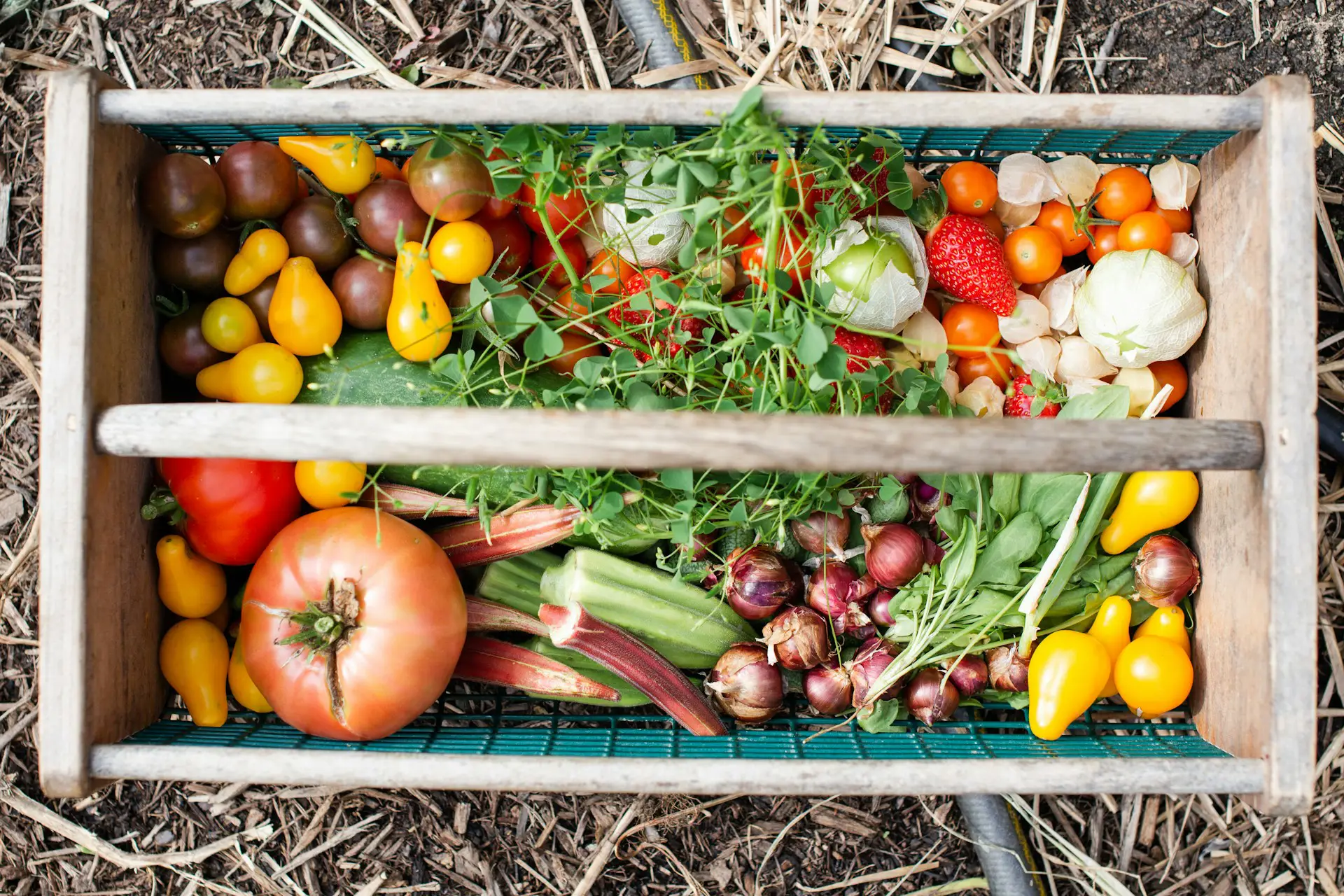
Homesteading often begins with an ordinary task: growing an ingredient you use every week or learning how to mend a piece of clothing. Over time, those small skills can change how you care for your home and meet your everyday needs.
The idea may bring to mind a farmhouse, a vegetable garden, and a flock of chickens. Those can be part of it, but there are also useful ways to begin in a suburban yard or an apartment.
This guide explains what modern homesteading involves and how to choose a first project that fits your space, budget, and schedule.
What Is Homesteading?
Homesteading is a way of living that aims to meet more of a household’s needs through growing food, preparing and preserving it, and developing practical skills. Its focus is greater self-sufficiency: being able to produce, maintain, or make more of what you use.
A homesteader might grow vegetables, cook meals from basic ingredients, repair clothing, or keep hens for eggs. The combination depends on the household and the resources available.
Full self-sufficiency is an ambitious goal. Many people who homestead still buy groceries, work outside the home, use public utilities, and rely on local businesses. Their progress comes from taking responsibility for more everyday tasks, one skill at a time.
What Does Homesteading Involve?
Growing Some of Your Own Food
Food growing is a common starting point. It might mean a few herbs in pots, a small vegetable bed, or a larger garden that supplies part of the household’s produce.
Choose something you already like eating, then check whether it suits your climate, season, and available light. Basil, peppers, and leafy greens are examples of crops that can be grown in suitable containers.
Northern Gardener’s guide to growing vegetables in containers explains how container size, light, and potting soil affect the results. Northern Gardener
Cooking With Basic Ingredients
Cooking is useful even before you have a garden. You could learn a dependable soup recipe, practice baking bread, or make meals around ingredients you already have.
Start with food your household regularly eats. A recipe you can repeat on a busy weeknight may be more valuable than a complicated project you rarely have time to finish.
As you become more comfortable, you can plan meals around your garden harvest or seasonal produce from local growers.
Preserving Food for Later
Preserving food helps you use a harvest beyond the day you pick it. Freezing, drying, pickling, and canning are different methods, each with its own instructions and equipment.
You can also learn these skills with produce you buy. A garden is helpful, but it is not a requirement for learning how to store food properly.
The National Center for Home Food Preservation provides guidance on home food preservation methods. For canning, follow an up-to-date, research-tested recipe, including the required equipment, processing instructions, and elevation adjustments. Its guidance on safe home canning explains why the method depends on the food being preserved. National Center for Home Food Preservation
Composting and Reusing Materials
Composting connects household scraps with garden care. Suitable fruit and vegetable scraps, dry leaves, and other materials can become compost that improves soil.
The EPA’s guide to composting at home explains backyard and worm composting, including what to add and what to leave out. A community composting program may be another option if you have limited space. US EPA
Other useful habits include repairing clothes, caring for tools, and finding a new use for an item you already own. Choose reuse projects around a real need rather than collecting materials without a plan.
Caring for Animals When Your Setup Allows
Some homesteaders keep hens or other livestock. Animals add responsibilities for housing, feed, water, cleaning, and health care, so they deserve a separate plan.
Before bringing animals home, check local requirements and any property restrictions. Work out the ongoing costs and who will provide care when you are away.
University of Minnesota Extension’s guide to raising layer chicks and pullets covers the needs of chickens raised for eggs. UMN Extension
Animal keeping is one possible direction; you can also focus your homesteading efforts on gardening and household skills.
Can You Homestead Where You Live Now?
The space you have helps determine which projects are realistic. Use these examples as possible starting points, then adjust them to your situation.
| Living situation | Possible first projects | What to consider |
|---|---|---|
| Apartment or small home | Cooking from basic ingredients, mending clothes, growing herbs where light allows | Available light, storage space, and rental rules |
| Suburban home | Container vegetables, a small garden bed, or home composting | Sunlight, water access, maintenance time, and property rules |
| Rural property | A household garden, food preservation, and animal keeping where suitable | Land conditions, equipment, ongoing costs, and daily care |
More land offers more possibilities, but it also brings more work. A small project you can maintain is a useful place to begin.
How to Start Homesteading as a Beginner
Choose One Clear Goal
Decide what you would like to do for yourself first. You might want to grow an herb you buy often, learn to mend work clothes, or prepare more meals at home.
Make the goal specific enough to act on. “Grow basil for cooking” gives you a clearer starting point than “become self-sufficient.”
Check Your Space and Schedule
For a growing project, look at the available light, water access, and room for plants as they mature. For cooking or preservation, think about equipment and storage.
Then consider the routine. A garden needs attention between planting and harvest, and animals need care every day. Choose a project that fits the time you can regularly provide.
Learn the Method Before Buying Equipment
Read a reliable guide or take a class before making a large shopping list. Learning the process helps you identify what you need and which purchases can wait.
For gardening, use information suited to your region. University of Minnesota Extension’s advice on planning a garden around the growing season shows why crop maturity and local conditions matter. UMN Extension
The dates in a regional guide apply to that region. Use your own local growing calendar when deciding when to plant.
Keep the First Project Manageable
Try one container crop, one repair, or one recipe before adding several new activities. Give yourself enough time to repeat the task and learn from the results.
If your first goal is growing food, caring for a few plants can help you understand watering, light, and harvesting before you expand.
Record What Happens
A notebook or a simple phone note is enough. Record what you tried, what you spent, and what you would change.
For a garden, useful notes include planting dates, weather, and harvests. For cooking, you could note which recipe worked well and how much your household used.
These records turn a first attempt into information you can use next time.
Find People You Can Learn From
Look for local gardeners, practical workshops, community groups, or university extension services where available. Someone familiar with your area may help you choose suitable plants or understand a problem.
You can also share a skill you already have. Trading knowledge gives you a way to learn while building connections nearby.
An Example First Month
This is a sample plan for exploring homesteading, rather than a planting calendar. Adjust it to the season and the project you choose.
| Week | Focus | Example task |
|---|---|---|
| Week 1 | Choose a goal | Pick one useful skill and review the space and time it needs |
| Week 2 | Learn and prepare | Read a reliable guide and gather the basic supplies |
| Week 3 | Practice | Start a suitable container plant, cook a recipe, or complete a small repair |
| Week 4 | Review | Record what worked and decide what to repeat or change |
A growing project may take much longer than a month to produce a harvest. The first month can still help you establish its care routine.
Common Beginner Mistakes
Starting several projects together. A garden, a flock of chickens, and a new preservation routine each need attention. Add activities as you become comfortable maintaining the ones you already have.
Growing food you rarely eat. Choose crops around your household’s meals so you have a clear use for the harvest.
Expecting immediate savings. Supplies, maintenance, and unsuccessful attempts can add costs. Track your spending and results before deciding whether a project saves money.
Buying equipment before choosing a task. A useful tool solves a specific problem. Build your collection around the work you actually do.
Judging progress only by the harvest. Learning to care for a plant or discovering why a recipe failed also gives you something useful for the next attempt.
Frequently Asked Questions
Do You Need Land to Start Homesteading?
You can begin with cooking, mending, and other household skills without owning land. Food growing depends on having suitable space and light, which may be available in containers or a community garden.
Do You Have to Live Off the Grid?
No. You can practice homesteading while using ordinary electricity, water services, and internet access. Producing some of your own food and developing household skills can fit into your current home life.
Can You Homestead While Working Full Time?
Yes, with projects that fit your schedule. Begin with a small commitment and plan how you will handle its regular tasks during busy weeks or time away.
Is Homesteading the Same as Farming?
They overlap. Homesteading usually emphasizes meeting household needs, while farming may also focus on producing food or other goods for sale. A homestead can develop into a farm business, but that brings additional planning and responsibilities.
What Is the Best First Homesteading Skill?
Choose one that meets a need you already have. Cooking a dependable meal, mending clothing, or growing a suitable herb can each be a useful first step. The best choice is one you have a reason to practice.
Begin With Something You Will Use
Look at an ordinary part of your week and choose a task you would like to handle with more confidence. Learn how to do it, practice it, and keep a few notes on the result.
Your first project could be a pot of herbs or a repaired shirt. Give that skill time to become familiar, then use what you have learned to choose the next one.