What Is Rustic Home Decor? A Beginner’s Guide to the Style
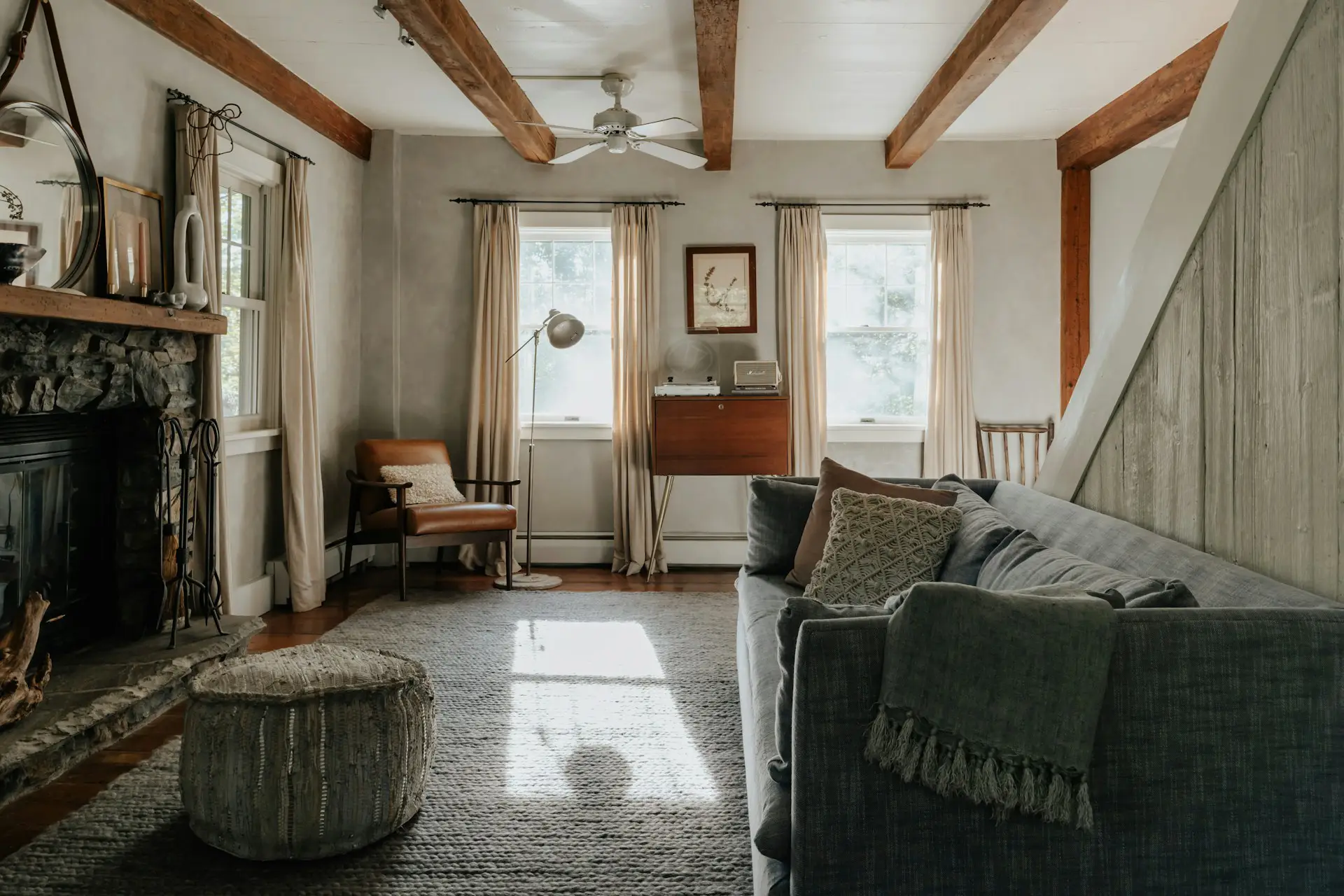
A wooden table with a visible grain. A woven basket beside the sofa. A favorite blanket that is always within reach. These simple details can give a room the warmth people often associate with rustic home decor.
You do not need a log cabin or a house in the countryside to enjoy the style. You can bring rustic touches into a small apartment, a newer home, or a room that already has modern furniture.
Understanding the materials, colors, and textures behind the look makes it easier to choose pieces that belong in your home.
What Is Rustic Home Decor?
Rustic home decor is a decorating style that emphasizes natural materials, earthy colors, visible texture, and a relaxed, lived-in appearance. Wood, stone, woven fibers, and handmade objects are common features. The overall feeling is comfortable and connected to nature.
An oak table with visible knots, a stoneware pitcher, or a wooden stool with a worn finish can all suit the style. What matters is the character of the material and how the piece works in the room. Angi’s guide to rustic interior design explains these shared features in more detail.
Rustic decor can look rugged and cabinlike, but it can also feel light and simple. There is room to adapt it to your home and your taste.
The Main Features of Rustic Decor
Natural Materials
Wood is one of the easiest rustic elements to recognize. Grain patterns, knots, and variations in color give each piece its own appearance. Stone, leather, wool, linen, and woven plant fibers also fit comfortably into rustic interiors.
You might use a wooden side table, a cotton throw, and a woven basket rather than changing the room’s walls or flooring.
Visible Texture
Rustic rooms often combine surfaces that look and feel different. A textured blanket can soften a wooden bench, while pottery adds another surface beside a woven basket. The Spruce identifies natural textiles and handcrafted decor as key elements of rustic interiors.
Try placing a smooth ceramic lamp on a wooden table and adding a soft shade. The differences help each material stand out.
Earthy Colors
Warm white, cream, brown, beige, and muted gray are common starting points. Olive green, clay red, and subdued blue can add color while keeping the room’s connection to nature.
For a simple combination, try warm white walls, medium brown wood, and a green cushion. Use the wood or another piece you already own to help choose the surrounding colors.
Signs of Age and Craftsmanship
A faded finish or an uneven pottery glaze can give an object character. Older furniture and handmade items often provide these details, although new pieces can have them too.
There is no need to make every object look old. A new ceramic bowl can sit comfortably on a vintage wooden table.
Useful, Comfortable Pieces
Think about how you will use each item. A basket can hold spare blankets. A wooden tray can keep your coffee table organized. A bench can provide somewhere to sit while putting on shoes.
Choosing useful pieces helps the room feel like a place to live in every day.
Rustic vs Farmhouse vs Modern Rustic
These styles overlap, and many homes combine them. The differences below are general tendencies rather than strict decorating rules.
| Style | Typical emphasis | Example |
|---|---|---|
| Rustic | Natural texture, earthy tones, and weathered or handmade details | A substantial wooden table with stoneware dishes and woven seating |
| Farmhouse | Rural influences, practical furnishings, and often lighter painted finishes | A painted dresser, simple paneling, and a wooden dining table |
| Modern rustic | Rustic materials combined with simpler shapes and contemporary furnishings | A clean-lined sofa beside a wood coffee table and a ceramic lamp |
Farmhouse decor often presents country influences in a lighter, more polished way, while rustic decor tends to give natural texture more attention. Angi’s comparison of farmhouse and rustic decor explores that distinction.
Modern rustic is useful if you like natural materials but already own contemporary furniture. You can keep a simple sofa and add warmth through wood, textiles, and pottery.
How to Add Rustic Decor to Your Home
Look at What You Already Own
Before making a shopping list, walk through your home. You may already have a wooden chair, a quilt, a clay pot, or a basket that could work in a different room.
Move one or two pieces into the area you want to update. Seeing them together can help you decide what is missing and what you can reuse.
Choose One Area to Work On
A reading corner, entryway, or bedside table is a manageable first project. Decide what you need the space to do, then choose a few pieces around that purpose.
For a reading corner, that might mean a comfortable chair, a small wooden table, a lamp, and a blanket. You can build the look gradually as you find things you enjoy.
Give One Material Room to Stand Out
If you already have a wooden dining table with a strong grain pattern, let it be the main feature. Try a plain runner and a single ceramic bowl before adding more decorations.
Furniture maker Sakala Haus describes how simple forms and restrained surroundings can show off natural materials. This is a helpful approach when a room starts to feel crowded.
Balance Wood With Softer Surfaces
When choosing accessories for a room with plenty of wood, try a fabric lampshade, curtains, or a textured cushion. These give you other surfaces to work with.
For example, pair a wooden bench with a washable cushion and leave enough space beneath it for shoes. The result adds comfort while keeping the bench useful.
Repeat a Few Details
Choose a small number of colors or materials to repeat around the room. A brown wood frame might connect with a side table, while a cream blanket picks up the color of a lampshade.
The pieces do not have to come from the same furniture set. Repeating a few details can help different objects feel at home together.
Check How the Room Works
After arranging everything, use the space for a few days. Can you reach the lamp easily? Is there somewhere to put a drink? Does the basket block a walkway?
Make adjustments based on those everyday tasks. A room that looks inviting should also be easy to use.
Simple Rustic Ideas for Each Room
Living Room
Try a wooden coffee table or side table, then add a throw that you actually enjoy using. If you need storage, place a basket beside the sofa. Keep enough table space free for books, drinks, or a board game.
Bedroom
Pair your existing bedding with a textured blanket and a wooden bedside table. Keep the bedside surface practical, with room for a lamp and whatever you use before going to sleep. A small framed print can finish the area.
Kitchen and Dining Area
Display everyday items that already suit the style, such as ceramic dishes or wooden utensils. Put them where they are easy to reach. A simple fabric runner can help a dining table feel more welcoming without taking up much space.
Entryway
Use a bench if there is room, or a small table if the entry is narrow. Add a tray for keys and a basket for items that tend to collect by the door. Choose the size around the space you have available.
Common Mistakes to Avoid
Adding too much at once. Try a few changes, then live with them before buying more. It is easier to spot what a room needs when you can see the pieces clearly.
Choosing everything for its appearance. A stiff blanket or awkwardly sized chair may suit a photograph but be frustrating to use. Comfort and size deserve attention too.
Covering every surface with decorations. Leave room for everyday activities. An entry table needs space for keys; a dining table needs space for a meal.
Replacing pieces that still work. Keep furniture you like and use smaller changes to connect it with the rustic elements you add.
Frequently Asked Questions
Does Rustic Decor Have to Be Dark?
No. You can use warm white walls, lighter wood, and cream textiles. The texture of the materials can provide rustic character even when the color palette is light.
Can You Use Rustic Decor in a Small Apartment?
Yes. Try smaller pieces such as a wood picture frame, a basket, or a textured cushion. Choose accessories that fit the space and leave enough room to move around comfortably.
Does Everything Need to Be Antique?
No. Older pieces can add character, but new furniture and handmade accessories can also fit. Choose items for their materials, appearance, and usefulness rather than their age alone.
How Can You Decorate on a Budget?
Reuse what you own first. Then look for a specific item at secondhand shops or local markets rather than buying a full collection. Replacing a cushion cover or moving a wooden chair into a new spot can be a manageable first change.
A Small Place to Begin
Choose one part of your home that could be more comfortable or useful. Look at the furniture already there, then consider whether a natural material, a softer texture, or better storage would help.
A wooden side table, a blanket you love, and a basket for everyday clutter may be enough for your first rustic corner. Build from there as you learn what works for your home.
mWISZvmboOmUSnYBCTgiNlV