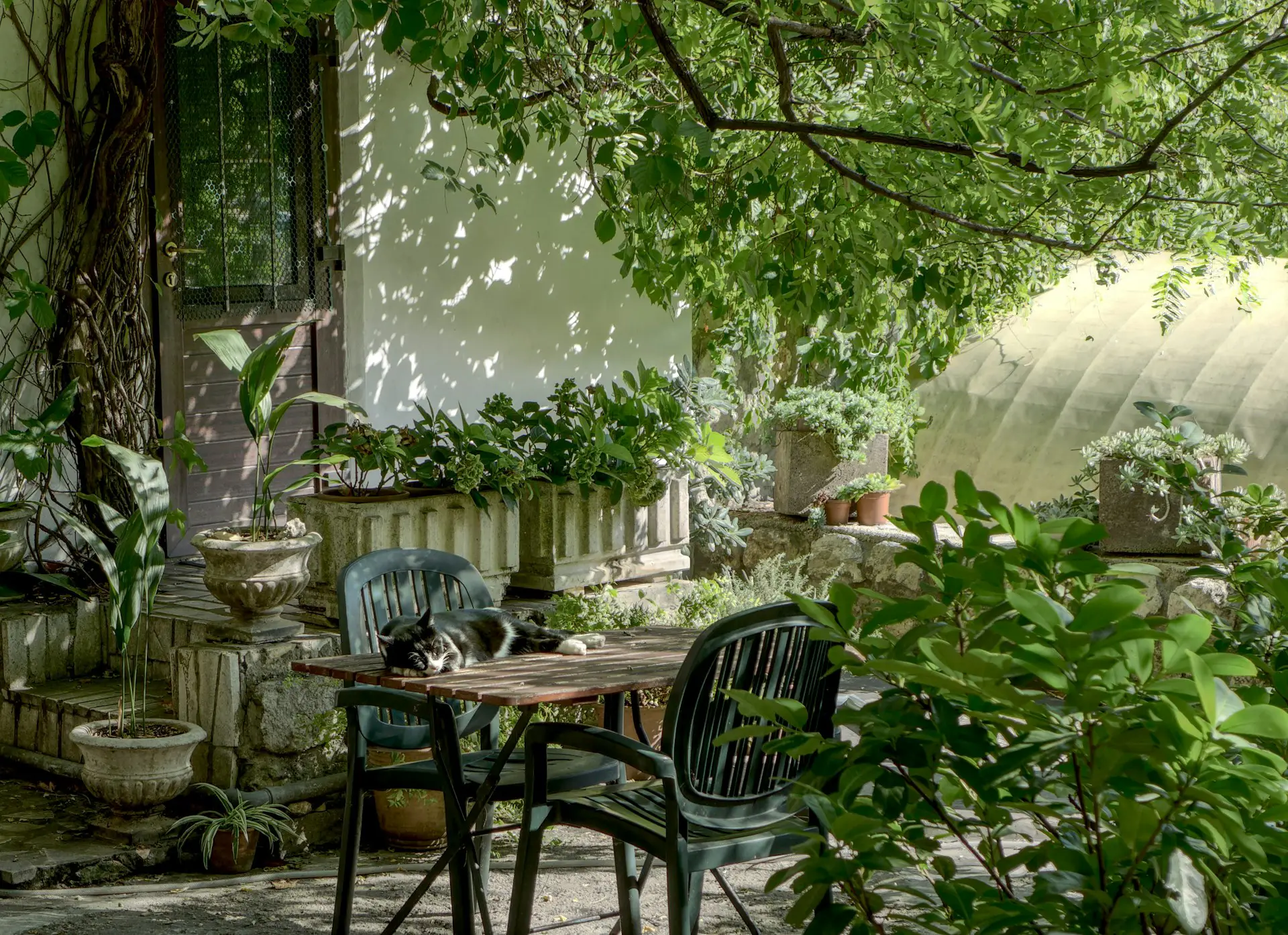
Starting your first garden can feel complicated when you are looking at rows of seeds, unfamiliar soil mixes, and plants with different care instructions. A small plan makes those choices easier.
Whether you want fresh herbs, a few vegetables, or flowers outside your door, begin with plants that suit the space you have. A handful of containers or one small bed gives you somewhere to practice without taking on more work than you can manage.
This guide explains how to start a garden at home, from choosing a location to building a simple care routine.
What Do You Need to Start a Garden?
To start a garden at home, choose a manageable growing space, match your plants to its light and climate, prepare suitable soil or potting mix, and provide regular care. Your first goal is to learn what those plants need and keep the project small enough to maintain.
For a small first garden, you will need seeds or a few healthy starter plants, a prepared bed or containers with drainage, and suitable soil or potting mix. A watering can or hose with a gentle setting will help you water without disturbing young plants.
A hand trowel and gardening gloves are useful for planting. Plant labels or a notebook will help you remember the varieties you chose and when you planted them.
Buy supplies around your first project. Larger tools, irrigation systems, and extra equipment can wait until you have a reason to use them.
Decide What You Want to Grow
Think about what would make the garden useful or enjoyable for you.
An herb garden could supply ingredients for meals you already cook. A vegetable garden might give you salad greens or beans. A flower garden could add color beside a walkway or provide blooms to bring indoors.
For a first attempt, choose two or three types of plants rather than a long list. You will have fewer care instructions to learn and a clearer idea of how each plant responds to your growing conditions.
Find a Suitable Location
Observe the space before buying plants. Check it in the morning, around midday, and later in the afternoon to see when it receives direct sunlight.
When starting a vegetable garden, aim for at least six hours of direct sun each day, with more generally helpful. Choose a location with easy access to water and enough room to reach your plants.
Flowers have different light requirements. Read the label to find out whether a plant needs full sun, partial shade, or shade, then match it to the location.
Choose somewhere convenient to visit. A pot near a door or a bed beside a path is easier to check than a garden tucked into a corner you rarely use.
Choose Containers, a Raised Bed, or an In-Ground Garden
There is more than one way to make a growing space. Choose a setup that fits your home and the amount of preparation you want to do.
| Garden type | Why you might choose it | What to plan for |
|---|---|---|
| Containers | You have a patio, balcony, or small outdoor area | Container size, drainage, potting mix, and regular moisture checks |
| Raised bed | You want a defined growing area | Bed materials, suitable soil, water access, and room to reach the plants |
| In-ground garden | You have usable ground and want to plant directly into it | Removing weeds, checking the soil, and preparing paths |
If you are growing vegetables in containers, match the container size to the plants at maturity. A small herb and a large tomato plant need different amounts of root space. Check container materials, drainage, and the growing mix before planting.
Prepare the Soil or Potting Mix
For Containers
Use a potting mix intended for container growing. Soil dug from the yard can be too dense in a pot, making it difficult for roots to get enough air and for excess water to drain.
Make sure an ordinary planting container has drainage holes. Adding a layer of gravel at the bottom does not improve drainage; it also takes up space the roots could use.
For Garden Beds
Remove existing weeds and their roots from the area you plan to plant. Check the soil before deciding which amendments or fertilizers to add.
A soil test can help identify nutrient levels and soil acidity, also called pH. Testing is a useful part of preparing and planting a vegetable garden because the results help you choose the appropriate amendments and fertilizer.
For a new raised bed, use a suitable topsoil and compost blend or a mix intended for raised beds. Check the product’s instructions rather than assuming every bag of soil is suitable for every setup.
Pick Plants That Fit the Season and Space
Look for plants you have a reason to grow, then check their light needs, mature size, and preferred temperatures. These examples offer several possible starting points.
| Plant | What it offers | What to check before planting |
|---|---|---|
| Basil | Leaves for cooking | Warm conditions, sunlight, and a well-drained growing space |
| Leaf lettuce | Greens for meals | Suitable cooler growing conditions and adequate spacing |
| Bush beans | An edible crop without a tall pole-bean support system | Warm enough soil and the spacing listed on the seed packet |
| Compact tomato variety | Fruit in a smaller garden setup | Adequate sun, sufficient root space, and any support the variety needs |
| Marigolds | Flowers for a sunny garden | The variety’s mature size and suitable planting temperatures |
If you are interested in growing culinary herbs, begin by checking the sunlight and drainage your chosen herb needs. For a flower garden, growing marigolds can be an approachable first project in a suitable sunny spot.
Ask a local nursery or gardening service which varieties perform well in your area. A familiar plant name can include varieties with quite different sizes and growing habits.
Decide Between Seeds and Starter Plants
Seeds let you follow the growing process from the beginning. Follow the packet’s instructions to find out whether to sow directly into the garden or begin indoors.
Starter plants, also called seedlings or transplants, let you begin with a plant that has already passed its earliest growth stage. This can simplify a first attempt with crops such as tomatoes or basil.
Choose healthy-looking plants with sturdy growth. If they have been growing indoors or in a greenhouse, ask whether they are ready for outdoor conditions.
Plants that still need that adjustment should be introduced gradually. This process, called hardening off seedlings, involves increasing their exposure to outdoor conditions before planting them in the garden.
Plant at the Right Time for Your Area
Check a local planting calendar and the instructions for each crop. Timing depends on temperatures, seasonal rainfall, and the length of your growing season.
In frost-prone climates, tender plants such as basil and tomatoes usually go outside after the danger of frost has passed and conditions are warm enough. Cool-season crops, including lettuce, have different timing needs.
In warmer climates, heat and wet or dry seasons may be more important than frost dates. Use local guidance rather than copying a planting month from another region.
Follow the Planting Instructions
Read the seed packet or plant label before making holes. Depth and spacing vary, even between plants that look similar when young.
For seeds, prepare the growing surface, sow at the recommended depth and spacing, and water gently. Keep the seed area appropriately moist during germination. If too many seedlings emerge, thin them according to the packet’s directions.
For starter plants, make a hole large enough for the root ball, remove the nursery pot carefully, and plant at the recommended depth. Gently settle the soil around the roots and water the plant in.
Add a label with the plant name and planting date. It will help you compare the results later, especially if you try more than one variety.
Build a Watering Routine Around the Plants
Check moisture regularly instead of assuming every plant needs the same amount of water on the same schedule. Weather, container size, soil, and plant growth all affect how quickly a garden dries out.
For established container plants, feel the mix below the surface. If it is drying out, water according to the plant’s needs; if it is still wet, wait and check again. Basil and lettuce prefer more even moisture than herbs such as thyme. Newly sown seeds need closer attention to moisture around the seed itself.
Water gently at the base of the plant so it can soak into the growing mix or soil. Thoroughly moisten the mix in ordinary containers, allow excess water to drain, and empty saucers so roots are not left sitting in water.
When watering and fertilizing container plants, expect pots to need more frequent moisture checks during hot, dry weather. Follow fertilizer labels and account for any fertilizer already included in the potting mix.
Check the Garden Often
A brief, regular check gives you a chance to notice changes while they are still small. Look for new growth, weeds, damaged leaves, and changes in moisture.
Remove weeds while they are manageable. If a plant looks unhealthy, check its moisture, light, and growing conditions before deciding what to do. Identify an insect or disease problem before choosing a treatment.
Mulching for garden health can help conserve soil moisture and reduce weeds in suitable beds. Keep mulch away from plant stems and choose a material appropriate for the planting.
Keep notes on what grows well and what needs adjustment. Record a few photos, planting dates, and observations so your first season gives you information for the next one.
Common First-Garden Mistakes
Taking on too much can make a first garden difficult to maintain. Begin with an area you can regularly check and care for, then add more plants when the routine feels manageable.
Another common mistake is choosing plants before checking the light. A plant’s appearance cannot tell you whether it will suit the spot you have available. Read its growing requirements, and give it enough room to reach its mature size. Follow spacing instructions even when the bed initially looks empty.
Watering without checking moisture can also cause problems. Learn how quickly your pots or beds dry out and adjust to the weather. If a plant struggles, make notes and investigate the cause. Changing water, fertilizer, and location together can make it harder to understand what helped.
Frequently Asked Questions
What Is the Easiest Way to Start a Garden at Home?
A few suitable plants in containers can be a manageable first project. Choose plants that match your available light and season, then use appropriately sized pots and a container growing mix.
Can You Start a Garden Without a Yard?
Yes. A patio, balcony, or other suitable space may accommodate containers. Consider sunlight, water access, and any rules or weight limits that apply to the space.
How Much Should You Spend on a First Garden?
Set a budget around one small project. Price the plants, growing mix, containers or bed materials, and essential tools before buying. Reuse suitable items you already own and postpone purchases you do not need yet.
How Long Does It Take to See Results?
It depends on the plant and whether you start with seeds or transplants. Check the variety’s germination and maturity information. Some plants take longer to provide flowers or a harvest, but you can observe growth and learn their care needs along the way.
Give Your First Garden Room to Teach You
Choose a small space and a few plants you are interested in growing. Prepare the setup, follow their planting instructions, and check them regularly.
As the garden develops, notice which tasks fit your routine and which conditions help the plants grow. Use those observations to decide what to repeat, change, or expand next season.